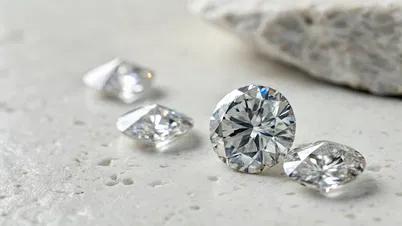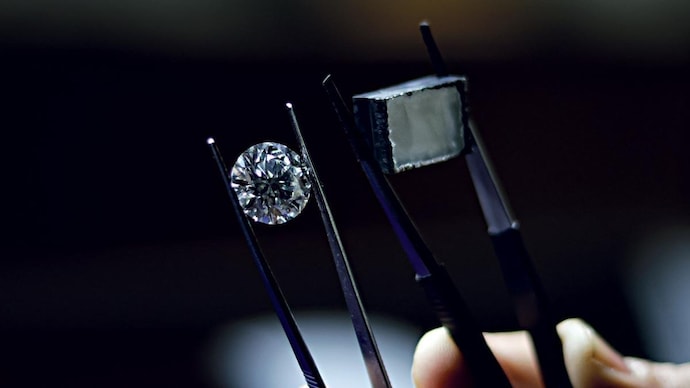


You have more control over your diamond purchase than at any time in the past. You are not limited to stones already set in rings or mounted in standard designs. When you buy loose lab grown diamonds you choose the exact stone first. Then you decide how it will be set and worn. This shift in process gives you precision.
These stones are created in controlled environments that replicate the natural conditions under which diamonds form. The result is a diamond with the same physical and chemical properties as one mined from the earth. Hardness, brilliance, and structure are not compromised. What changes is the origin.
Why Buying Loose Matters
When you select a stone before it is set, you focus on quality rather than design. You examine cut, color, clarity, and carat weight without distraction. You can compare multiple stones side by side. You can review grading reports. You can ask direct questions about growth method and certification.
Buying a mounted ring often hides small details. Prongs can cover inclusions. Lighting in display cases can distort how a stone appears. When you start with a loose diamond, you remove those barriers.
You also gain flexibility in design. After choosing the stone, you can select a setting that fits your lifestyle. If you work with your hands, you may prefer a low profile setting. If you want a clean look, you might choose a simple solitaire. The process becomes deliberate.
How Lab Creation Works
There are two main methods used to create these stones. High pressure high temperature mimics the intense heat and pressure found deep within the earth. Chemical vapor deposition grows the diamond layer by layer in a controlled chamber.
Both methods produce real diamonds. The difference lies in how carbon atoms are arranged during growth. A reputable seller will disclose which method was used. Ask for a grading report from a recognized laboratory. This report confirms authenticity and provides a detailed assessment of quality.
Do not rely on visual inspection alone. Even trained jewelers use specialized equipment to distinguish between mined and lab created stones. Documentation matters.
Evaluating Cut and Light Performance
Cut has the greatest impact on how a diamond looks. A well cut stone reflects light internally and returns it through the top. This creates brightness and fire. A poorly cut stone appears dull even if color and clarity are high.
Review the cut grade on the certification report. For round stones, aim for Excellent or Ideal proportions. For fancy shapes such as oval or emerald, there is no universal cut grade. In these cases, request detailed measurements and compare depth percentage and table size.
Ask to see the stone under different lighting conditions. Jewelry store lighting is often bright and directional. View the diamond in natural light as well. Rotate it slowly. Observe how it handles shadow and movement.
Understanding Color and Clarity
Color grading ranges from D to Z. D is colorless. As you move down the scale, warmth becomes visible. In most settings, stones in the near colorless range appear white to the eye. You can often select a slightly lower color grade and allocate more of your budget to cut or carat weight.
Clarity refers to internal and external characteristics. Most inclusions are microscopic. Choose a stone that appears clean to your eye at normal viewing distance. There is little benefit in paying for a clarity grade that exceeds what you can actually see.
When reviewing clarity, examine the plotting diagram on the grading report. Ask the seller to point out inclusions under magnification. Make sure you understand their location. Inclusions near the edge can sometimes be hidden by prongs once set.
Pricing and Value Considerations
The market for lab grown diamonds has matured. Prices are influenced by production costs, supply levels, and consumer demand. In general, these stones cost less than comparable mined diamonds of similar size and quality.
Lower cost does not mean lower quality. It means the supply chain is shorter and more predictable. You are not paying for extraction, transport from remote mines, or long distribution chains.
When comparing prices, use the certification report as your anchor. Two stones with similar carat weight can differ significantly in price due to cut and clarity. Create a simple comparison sheet. List carat, color, clarity, cut grade, and price per carat. This keeps emotion out of the decision.
Setting Your Budget
Start with a clear budget before you browse. Decide how much you are comfortable spending. Then allocate that budget across the four key factors.
If size matters most to you, you may accept a slightly lower color grade. If you want maximum sparkle, prioritize cut. There is no single correct balance. The right combination reflects your priorities.
Avoid stretching your budget based on sales pressure. A diamond should fit your financial plan. It should not create strain.
Designing the Final Piece
After selecting the stone, you move to the setting. This is where your personal style becomes visible. Metal choice affects appearance. White metals emphasize brightness. Yellow and rose tones add warmth.
Think about daily wear. A high setting can snag on clothing. Thin bands may bend over time. If the ring is for an engagement, consider how it will pair with a wedding band later.
Work with a jeweler who provides detailed renderings or wax models before final production. Confirm measurements and metal type in writing. Review return and resizing policies before approving the design.
Certification and Transparency
Always insist on independent certification. A grading report from a recognized laboratory confirms that the stone meets stated specifications. It protects you from misrepresentation.
Check that the report number is laser inscribed on the diamond’s girdle. This tiny inscription links the physical stone to its documentation. Ask the seller to show it to you under magnification.
Transparency extends beyond paperwork. The seller should explain growth method, grading standards, and warranty terms in plain language. If answers are vague, walk away.
Long Term Care
Diamonds are durable but not indestructible. Clean your ring regularly using warm water, mild soap, and a soft brush. Avoid harsh chemicals. Store it separately from other jewelry to prevent scratching.
Schedule periodic inspections. Prongs can loosen over time. A quick check once or twice a year prevents stone loss. Keep copies of your certification and purchase receipt in a safe place.
Insurance is worth considering. Even if the stone cost less than a mined equivalent, replacement can still be expensive. Obtain a proper appraisal if required by your insurer.
Market Trends and Resale
Pricing trends in lab grown diamonds depend on production efficiency and consumer adoption. As manufacturing technology advances, production costs may decline. This can affect resale value.
If resale is important to you, understand that secondary market prices may differ from retail purchase price. Buy the stone for personal value rather than investment return.
Keep original documentation. A certified stone with clear records is easier to resell than one without papers.
Making a Confident Decision
You make the strongest decision when you combine knowledge with clarity about your goals. Identify what matters most. Learn how grading works. Compare stones objectively.
Choosing loose lab grown diamonds requires attention to detail. Take your time. View multiple options. Ask for documentation. Confirm every specification before purchase.
You are not simply buying a piece of jewelry. You are selecting a material defined by structure, precision, and light performance. When you approach the process with discipline, you reduce uncertainty.