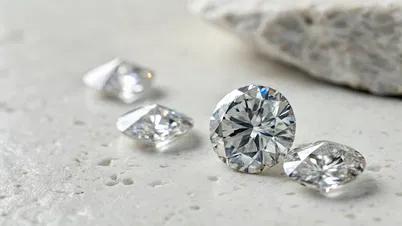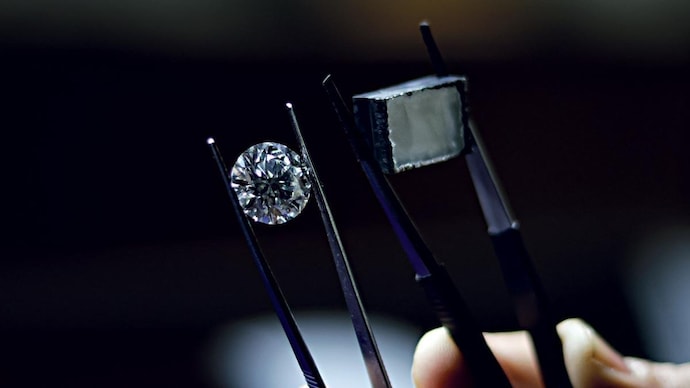

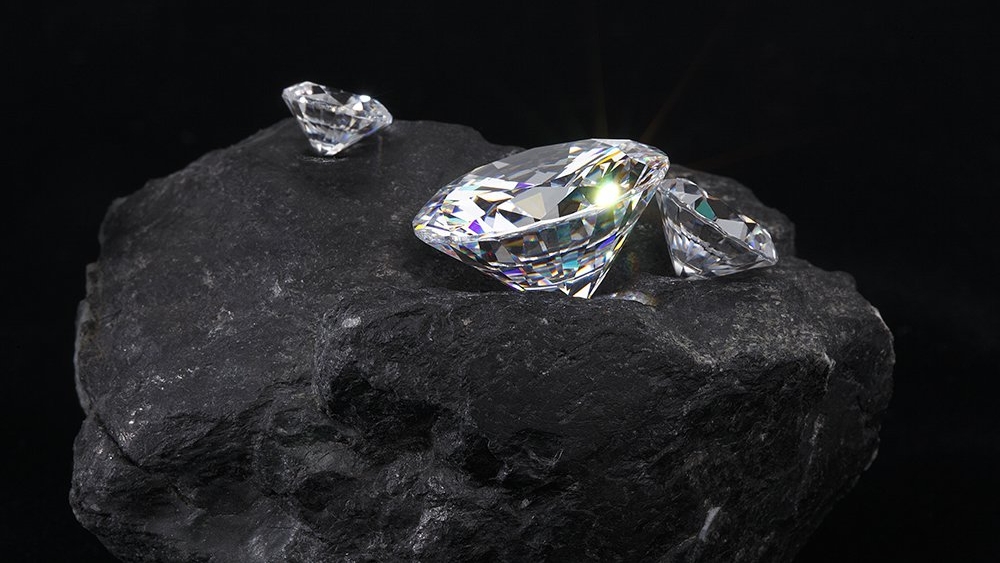
Diamonds have long been symbols of luxury, romance, and status. For decades, natural diamonds mined from deep within the earth were the only option for consumers. However, technological advancements have revolutionized the diamond industry, introducing lab-grown diamonds as a viable alternative. Among the various methods of producing synthetic diamonds, Chemical Vapor Deposition (CVD) stands out as a leading technique that creates high-quality lab diamonds with remarkable clarity and ethical appeal.
What are Lab Diamonds?
Lab diamonds, also known as synthetic or man-made diamonds, are diamonds created in controlled laboratory environments rather than mined from the earth. Chemically, physically, and optically identical to natural diamonds, lab diamonds are composed of pure carbon arranged in a crystal lattice. They share the same hardness, brilliance, and refractive properties, making them virtually indistinguishable from their natural counterparts to the naked eye.
Lab diamonds are created through two primary methods: High Pressure High Temperature (HPHT) and Chemical Vapor Deposition (CVD). While HPHT simulates the intense heat and pressure conditions found naturally in the earth, CVD uses a more modern and sophisticated approach involving gas deposition to grow diamonds layer by layer.
Understanding CVD Diamonds
Chemical Vapor Deposition (CVD) is a cutting-edge technology used to grow diamonds in a laboratory setting. The process begins with a small diamond seed placed inside a vacuum chamber. A gas mixture, primarily methane (CH₄) and hydrogen (H₂), is introduced into the chamber and energized using microwaves or plasma, causing the gases to ionize and form a plasma state. This plasma breaks down the methane molecules, allowing carbon atoms to deposit onto the diamond seed in thin layers.
Over several days or weeks, these carbon atoms accumulate, growing a larger diamond crystal layer by layer. The process allows for extraordinary control over the growth conditions, including temperature, gas composition, and pressure, enabling manufacturers to produce diamonds of exceptional purity, size, and color.
Advantages of CVD Lab Diamonds
1. Ethical and Sustainable
One of the most significant advantages of CVD diamonds is their ethical and environmental benefits. Natural diamond mining has been associated with ecological degradation, deforestation, and human rights abuses in some regions. By contrast, CVD diamonds are created without the need for large-scale mining operations, resulting in a substantially lower environmental footprint. They use less energy, Lab diamonds cvd, produce fewer carbon emissions, and avoid the social and ethical concerns tied to conflict or “blood” diamonds.
2. Superior Quality and Clarity
CVD diamonds are known for their high purity and clarity. Because the growth environment is controlled, impurities and defects common in natural diamonds or other synthetic methods can be minimized. CVD diamonds often display fewer inclusions and can be produced in a variety of colors, including colorless and fancy colors such as pink or blue, through adjustments in the process or post-growth treatments.
3. Cost-Effectiveness
Lab-grown diamonds made by CVD technology are generally more affordable than natural diamonds. Consumers can often get a larger or higher-quality stone for the same price as a smaller natural diamond. This cost-effectiveness makes lab diamonds particularly attractive for engagement rings, fashion jewelry, and industrial applications.
4. Traceability and Transparency
CVD diamonds come with full traceability since they are manufactured in a lab, eliminating concerns about provenance. This transparency appeals to consumers who prioritize ethical sourcing and want assurance about their purchase.
Challenges and Considerations
Despite their many advantages, CVD diamonds also come with some challenges:
-
Market Perception: While lab diamonds are gaining acceptance, some traditionalists still prefer natural diamonds for their rarity and natural origin.
-
Certification: Lab diamonds require certification from recognized gemological institutes like GIA (Gemological Institute of America), IGI (International Gemological Institute), or others to confirm their authenticity and quality.
-
Identification: Although virtually identical to natural diamonds, CVD diamonds can be distinguished by experts using specialized equipment, which may concern some consumers wary of resale value or market recognition.
Applications of CVD Diamonds
Beyond jewelry, CVD diamonds have critical applications in industry and technology due to their extraordinary hardness and thermal conductivity. They are used in cutting tools, electronics, heat sinks, optical components, and even quantum computing research.
The Future of CVD Lab Diamonds
The future of the diamond industry is bright with the ongoing advances in CVD technology. As production scales up and costs continue to decrease, lab-grown diamonds will likely capture an even larger share of the market. Increasing consumer awareness about sustainability and ethical sourcing further propels demand for CVD diamonds.
Manufacturers are also exploring innovations such as layering different types of diamonds, enhancing color properties, and creating larger stones that rival the rarest natural diamonds. These advancements are not only changing how diamonds are made but also reshaping how society views luxury and value.
Conclusion
Chemical Vapor Deposition (CVD) lab grown diamonds represent a remarkable fusion of science, sustainability, and style. They offer consumers an ethical, affordable, and high-quality alternative to mined diamonds without compromising on beauty or brilliance. As the diamond industry evolves, CVD technology will continue to drive innovation and democratize access to these precious gemstones. Whether for a special occasion or technological use, CVD diamonds are poised to become a cornerstone of modern luxury and responsible consumption.