

lab diamonds
Understanding Lab Diamonds
Some folks look for a sparkler just like one pulled from the ground – same shine, same toughness. Yet clarity matters too – not just how it looks but where it comes from and what it’s worth. Into that space step lab-made stones. Born not in deep rock layers but inside precise settings built by people. Same crystal setup as a diamond chart. Shares identical traits in makeup and behavior. Looks exactly alike when seen without tools. Experts sometimes require special devices to tell where it came from. Formation method sets them apart.
How These Diamonds Form
Deep underground forces spark diamond birth. People copy those powerful settings using smart machines. One way works with intense pressure. Another takes place inside hot chambers where atoms arrange slowly
- High Pressure High Temperature (HPHT)
- Chemical Vapor Deposition (CVD)
Real diamonds come from both methods. Not fake ones. Nothing like cubic zirconia or moissanite. A small diamond seed kicks things off. Over time, carbon gathers around that tiny core. What forms next takes shape into a gem – sliced, smoothed, sorted just like its kin.
How They Differ From Mined Stones
What you see looks almost exactly alike. Yet where it comes from makes the difference. Deep below ground, natural diamonds take shape slowly – think eons passing. Up above, in quiet labs, similar stones emerge fast, shaped by steady hands and precise tools. Most folks pick based on what they care about most. A few get drawn to how old a stone is. While some weigh looks alongside cost. One isn’t better than the other. What fits your values makes it right.
What Affects Quality
Just like natural stones, lab-grown ones follow identical quality rules. Look at these factors when deciding
- Cut
- Color
- Clarity
- Carat weight
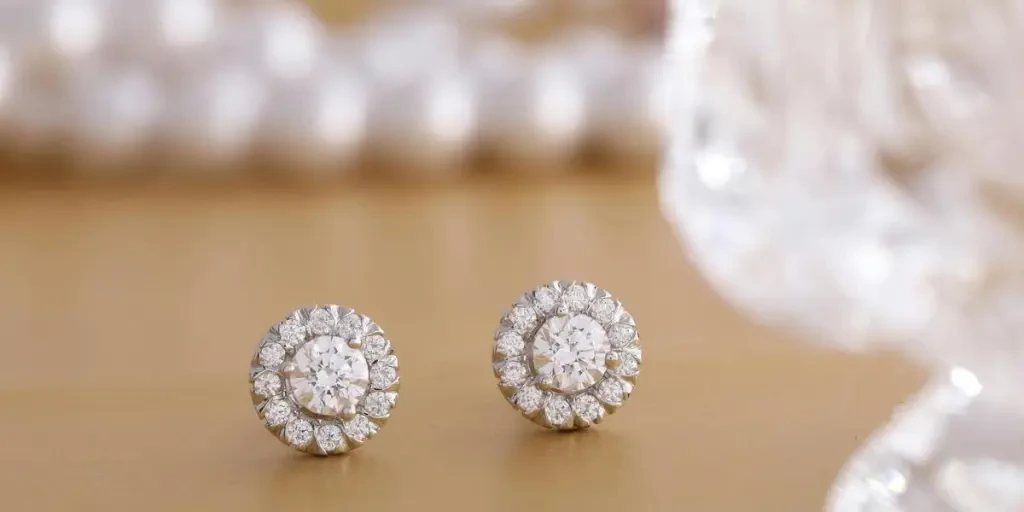
Most times, the way a stone is lab diamonds how it looks more than anything else. Light bounces out clearly when the cut works right, making bright flashes. What you see as shade gets sorted by labels that show tint amount. Less color often gives off a cleaner white look. Now here’s how it works – clarity checks flaws inside plus marks on the outside. Size gets measured by carat weight. Take this case: even if one diamond is smaller, its top-grade cut can make it appear better than a bigger rock sliced poorly.
Certification Matters
Start smart – skip trusting just what sellers say. Instead, get a grade done by a lab everyone knows. That paperwork breaks down exactly what the gem is made of, plus where it came from. With proof in hand, matching stones gets way clearer. Open records make purchases feel less like guesses. Take time to look at the grading report before buying anything. See if the quality shown lines up with what you are expected to pay. Only then does it make sense to move forward.
Pricing and Value Considerations
Laboratory diamonds catch attention partly because they’re easier on the wallet. Often these stones come in cheaper than natural ones that match in size and clarity. That difference opens doors – bigger gems or finer details stay possible without stretching funds. Still pricing isn’t everything to weigh. Saving money up front might not lead to greater worth down the road. Even if you think it’s obvious, check how well the item is put together. Look at more than one choice so you can see differences clearly. Questions might help – like what makes this version better built?
- Does a third party verify the stone’s quality?
- What about the strength of the cutting score?
- Is this place right for what you’re after?
- How does returning items work?
Looking close usually shows key contrasts in items seeming alike when you first see them.
Durability Built for Everyday Use
Hardness defines diamonds more than anything else. On the Mohs scale, one made in a lab matches its earth-mined twin exactly. Because of that, daily wear items like rings for engagements, earrings, or neck charms work just fine. Even so, regular use may leave marks on the surrounding metal parts. The gem up front shrugs off harm nearly every time. Most times, just wiping things down keeps them shining bright. Warm water mixed with gentle soap handles everyday cleanup without fuss. Starting a habit like this means less buildup later on.
Common Misunderstandings
It’s common to hear false ideas about lab-made diamonds. Not real? Wrong. These gems are actual diamonds, just made differently. People often think every one looks exactly the same. Far from true – appearance differs widely. Even how they’re cut affects their shine and value. Clarity and hue play big roles too. A few shoppers skip official grading, thinking factory creation means perfection guaranteed. That belief doesn’t hold up. Still, getting certified matters since it shows what works and shares clear facts. Because of that, knowing what’s behind it helps shape how you decide.
What to Think About Before Buying
Before selecting a diamond take time to gather details. Consider asking:
- Was it grown using hydroponics or soil farming?
- What person gave out the grade report?
- What cut grade does the stone have?
- How long do you have to send it back?
- Is it possible for the seller to share close-up photos?
Start by asking yourself: what proof backs up those promises? Look past slogans, zero in on results you can actually track. Each time, shift your gaze to numbers instead of noise. What stays after the ads fade? Hard data takes center stage when shiny words fall away. Facts stand tall without fanfare. Watch how claims hold up under real scrutiny.
Matching Stone to Purpose
Size doesn’t guarantee value when it comes to diamonds. Begin by setting how much you’re ready to spend. After that, think about what traits feel most important. Shine stands out if cutting precision leads your list. Bigger stones draw eyes, so go heavier on carats when space outweighs flawlessness. Small marks inside matter less if overall look wins. Most people prefer choices that hold up well in every test area. When picking something, imagine where it’ll go each day. Something used all the time needs tougher planning than what comes out once in a while. Picking with care usually feels better later compared to chasing just one standout trait.
FAQ
Are lab diamonds real diamonds?
True. Identical makeup, just like natural ones when it comes to how they form deep down. Their inner pattern matches too – no difference you can spot. Even hardness and shine run parallel, stone for stone.
Can jewelers tell the difference between mined and laboratory-grown diamonds?
A gem dealer might struggle without tools made just for tracking where diamonds come from. Some rely on machines that spot tiny details invisible to the eye. Only certain labs can say for sure using advanced imaging. Without these methods, guessing could lead to mistakes. Clarity comes from tech designed solely for this task.
Just how long do lab-made diamonds hold up compared to natural ones?
True. These items hold up just as well, lasting decades when looked after correctly.